Monday, September 21, 2026
Join and help shape the future (FULL)
From inspiration to action! On September 21, the Brainport Bike Summit is the moment when we set course and accelerate together. The goal: to develop the Brainport region into the cycling metropolis of the future. From 1:00 PM to 6:00 PM, you are welcome at the iconic Philips Stadium for an energetic and interactive program!
Brainport is growing. This calls for different choices. During the Summit, we inspire employers, municipalities, educational institutions, campuses, and other organizations on cycling-related themes. After the summit, you will receive practical tools to achieve impact together in 2027. This is how we make the bicycle the standard and Brainport accessible.
Keynote
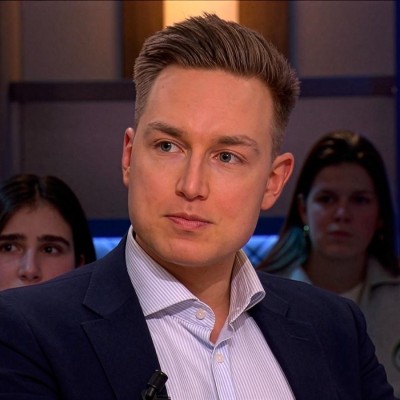
It promises to be an energetic afternoon, with leading speakers, key regional figures, and breakout sessions centered on concrete cycling themes. Including an inspiring contribution from Jona van Loenen, resident economist for WNL, Pauw & De Wit, and SBS6.
Chairman of the day
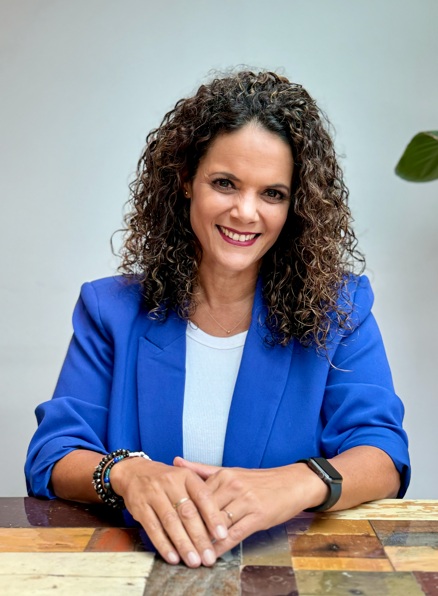
Moderator Gwen Jansen leads the afternoon with energy, humor, and substantive sharpness. In doing so, she ensures a program where inspiration, ambition, and action come together.
View the summit offerings here
Curious which sessions you can attend?
Round 1
Session 1: Executives in dialogue: the course towards sustainable accessibility
Inspired by the successful regional Triple Helix collaboration between government, business, and knowledge institutions, administrators are taking the next step in regional cooperation during this meeting. The goal is structurally improved accessibility and sustainable growth in the Brainport region. The bicycle is central to this as a necessary solution to address shared mobility challenges. Employer ambitions are directly linked to regional objectives and scheduled projects, aiming for a feasible action plan for 2027 and beyond.
Session 2: The bicycle as the core of municipal policy: Cycling culture Bergeijk
How do you make cycling the obvious choice? The Municipality of Bergeijk shows how this can be done with Bergeijk Fietst. This program goes beyond infrastructure alone and focuses on a sustainable cycling culture, where education, encouragement, policy, and behavioral change come together. Discover how an integrated long-term approach contributes to accessibility, health, livability, and sustainability, where the bicycle is seen as the norm for short and medium distances, and be inspired by the lessons learned from Bergeijk.
Session 3: Good bicycle parking at work: more impact than you think
Want more employees cycling? Then it often starts surprisingly simply: with a good bicycle parking facility. A safe, comfortable, and easily accessible facility is one of the most important prerequisites for making cycling attractive. Yet, this is still lacking at many locations. In this session, we will show what a good bicycle parking facility must meet, which choices really make a difference, and why it doesn't have to be expensive at all.
Session 4: How do you effectively use campaigns and communication?
Everyone knows that cycling is healthy, cheap, and often even faster. Yet, many people still frequently choose the car. After all, changing behavior is difficult. How do you actually get people to do it? In this interactive session, we will open the toolbox of behavioral change using successful Brainport examples. Which campaigns, activations, and communication tools are already available? And how do they help residents, employees, and students actually make different mobility choices? You will go home with inspiration, effective solutions, and a first step that you can take tomorrow.
Session 5: Less absenteeism, more cycling: vitality as an employer strategy
More colleagues cycling to work demonstrably impacts your organization: reduced absenteeism, higher productivity, and better mental health. In this session, you will see how, as an employer, you can link vitality and cycling in your HR policy. Researchers will present the figures. Afterwards, you will get to work yourself: what concrete step will you take in the coming year?
Session 7: How do you set up an inclusive bicycle chain?
Cycling seems like a matter of course, but it isn't for everyone. Discover how Eindhoven lowers thresholds and breaks down barriers to make cycling accessible to all residents and strives for inclusive mobility!
Session 8: From cycling data to decision: what will you do differently tomorrow?
Data, data, data. We can hardly talk about anything else these days. Almost no one doubts that it is valuable anymore. But what can you actually do with it concretely? For example, for developing cycling policy or improving infrastructure? In an inspiring session full of concrete examples, Joost de Kruijf from the Province of North Brabant takes you into the world of cycling data.
Round 2
Session 1: Bicycle and triple helix in practice
Collaboration between education, employers, and municipalities is the strength of this region. How can we collaborate on cycling? Are there questions from employers or municipalities that students can research? Or are there other topics on which we can collaborate? How do we give substance to the triple helix regarding cycling?
Session 2: From awareness to action: how do we make safe cycling behavior the norm?
Session 3: Shared bikes for your employees
E-biking for your employees, without the hassle
From the station to your business park. To an appointment with a client. Just to another location. With e-bikes, employees are on their way quickly. Without you having to invest in bikes, maintenance, repairs, or storage space.
During this session, UMOB shows how to easily give employees access to an extensive network of e-bikes. Would you prefer to always have a bike right outside the door? Then a permanent e-bike hub at your organization is also possible.
During this session, you will discover:
- how a business subscription works;
- how to easily give employees access via the UMOB app;
- how to make rides available to employees at a reduced cost;
- how you don't have to worry about purchasing, maintenance, and repairs;
- how a dedicated e-bike hub works at your organization;
- how to increase the accessibility of your organization.
For whom?
Interesting for HR, mobility, and facilities managers who want to work on:
- employee vitality;
- better accessibility;
- sustainable mobility;
- less parking pressure at their organization.
Session 4: Green light for the bicycle
About the chip bag, the banana, detection, and innovative solutions for bicycles. How do you give more space to bicycles at intersections? Small adjustments to the design of the intersection or the traffic light timing make a big difference for the cyclist. This immediately makes cycling attractive – without many disadvantages for the car. Using concrete practical examples, Marcel Willekens from DTV shows in this masterclass how we can literally give more space to bicycles in Brabant! In addition, there will be time for discussion, and we challenge you to get to work on one or more cycling bottlenecks in the coming year.
Session 5: Bicycle facilities in building plans: make it the norm
To make cycling even more attractive, the Municipality of Eindhoven set concrete requirements for cycling facilities in construction projects. In this session, you will hear where these standards help, but also where they fall short. Martijn Knapp (BPD) discusses this with Bas Braakman (Municipality of Eindhoven). How do you guarantee the necessary quality?
Session 6: Cycling as a tool for healthy residents: what can you do?
Cycling is healthy! And municipalities with an active cycling policy are noticing this. Healthier residents lead to less pressure on the social domain. But how do you, as a municipality, implement an active cycling policy and ensure a connection with your residents? Learn from a municipality that led the way and see how to utilize the 'Bike to Work Day' and the 'That's Just Like That' app.
Session 7: The bicycle as an employment benefit
How do you implement an employee benefit program as an employer, and what do you get out of it? One of our brokers will take you into the world of employee benefits, explain how this aligns with Brainport Bereikbaar's products and services, and let you learn from employers who are already working with them.
Session 8: From bicycle allowance to bike lease: Grab the Deal!
As an employer, do you want to offer bicycle leasing or a bike plan to your employees, but don't know where to start? What exactly does bicycle leasing entail, what benefits does it offer, and what do you need to arrange? Learn from Gijs Spil of Hellorider how easy it is to offer bicycle leasing and what it brings you.
Session 9: How does a football stadium in the middle of the city remain accessible?
How do you ensure that a football stadium in the middle of the city remains accessible and can grow, without the city grinding to a halt? And what role does the bicycle play in this? Join the discussion on the plans of PSV and the Municipality of Eindhoven regarding the expansion of the stadium.
For whom?
Practical information
- Date: September 21, 2026
- Location: Philips Stadium
- Time: 13:00 to 18:00
- Includes snacks in the afternoon
- Followed by drinks
 English (UK)
  Nederlands